


Reproduction, plants, petal, anther, stamen, sepals, ovary, pistil, stigma, flower, nectar, pollen, pollinate, sexual, asexual.
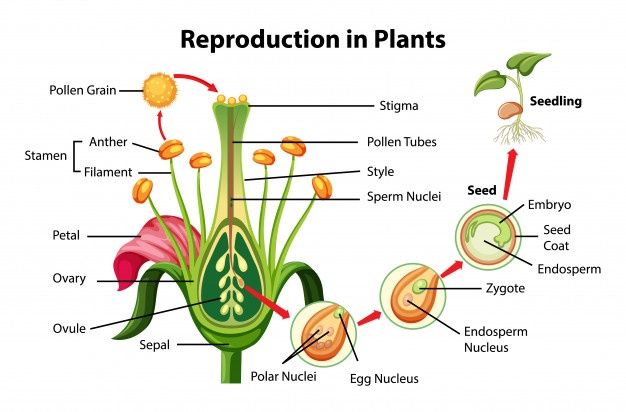

How do plants reproduce?
There are a couple of ways this can happen. The most common is:
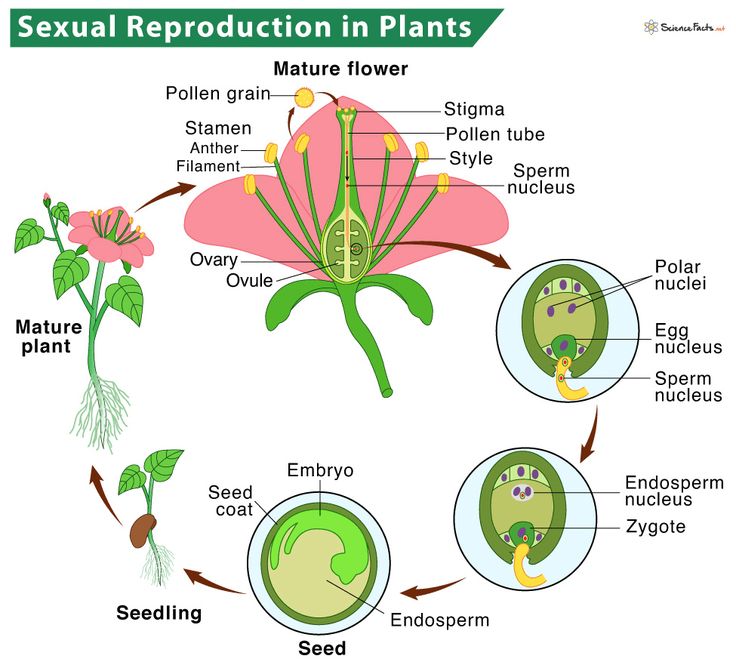
No matter what term you want to give it, this is the standard way a plant will reproduce. In order to make sure it can survive and give offspring, it will create a flower. Inside the flower, you will see parts of it, such as:
First off, the petals attract the insect to the flower. This is important. If this doesn't happen, then the plant won't be able to reproduce.
Next, the insect will bumble about inside the flower, colleting nectar, which is produced by the flowers. They love it, and can't get enough of it.
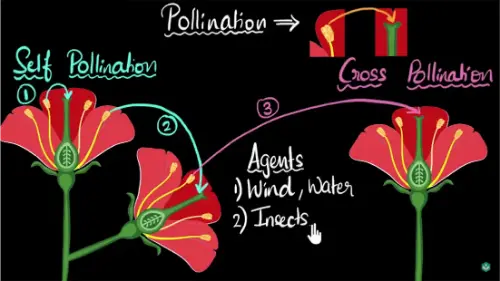
Now, the magic happens. They move the pollen about from the anther on top of the stamen. The insects don't need this, but it sticks to them until some of it can be trapped by the stigma.
Once in the stigma, it travels down it to the ovaries, and fertilises the eggs. This then turns into seeds.

Bananas are unable to reproduce, and have no seeds in them as a result. They are cloned by placing old plant branches onto the new plants when the time is right.
The following still is from a video on pollination, with the following details:
Please click on the image to view the video.
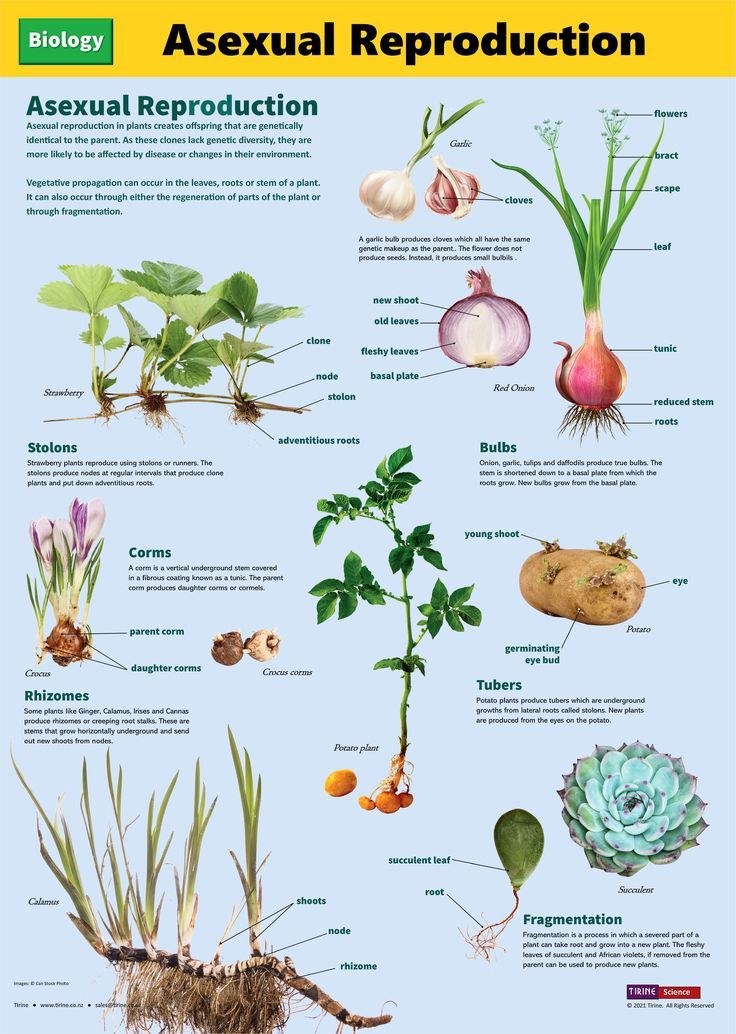
While most plants and flowers will reproduce using the sexual reproduction method, some plants do reproduce asexually.
Plants that reproduce asexually don't have the male and female gametes present, so they need to reproduce using a sort of cloning technique. This means that there is only one parent, and that the offspring are identical to the parent.
For this example, we're going to use potatoes. Yes, potatoes. Don't give me that look.
You can grow potatoes using a potato. You can grow potatoes using a piece of the skin. It's quite a diverse vegetable. How?
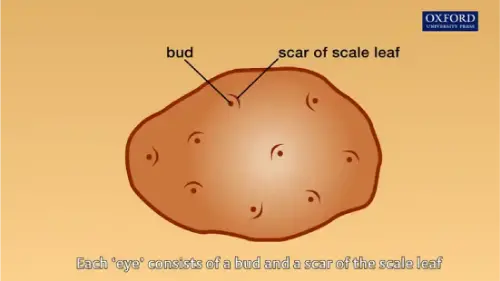
When you peel a potato, you are taking away its reproductive resource. On the skin, there are little nodules called eyes. These can each have buds grow out of them. So, when you peel the skin, you can effectively grow several plants from the one potato. A potato underground is called a tuber.
When the conditions are right, you can plant this piece of potato skin, and it will grow, but you will need to take extra care with it and feed it, as it won't have the food stored in the tuber (you've already eaten this in some mash or other potato dish) with it.
The following still is from a video on asexual reproduction, with the following details:
Please click on the image to view the video.
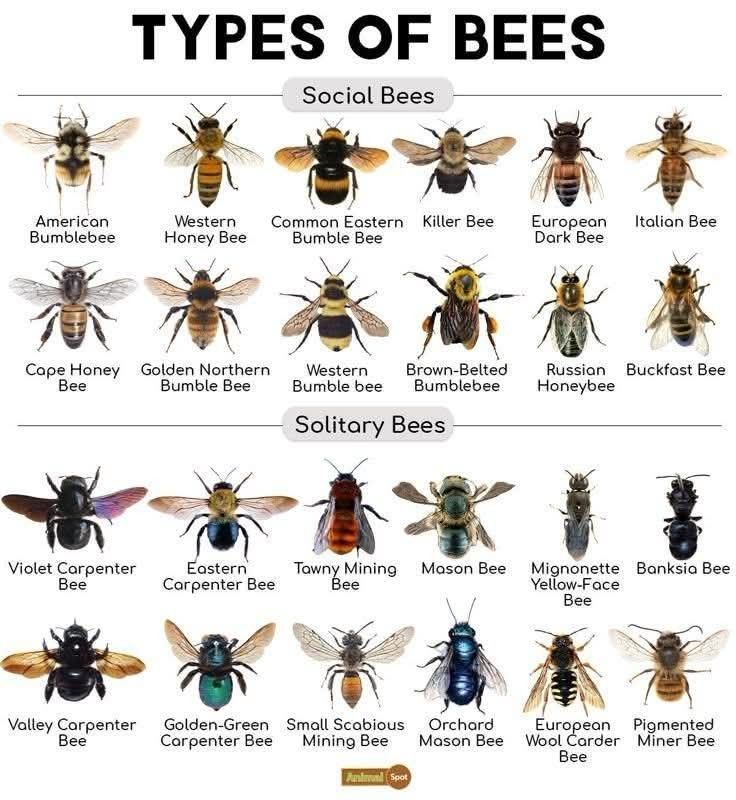
This can't be stressed enough. We NEED insects. All of them. They are the major reason we have plants, as they help massively with reproduction of the plant. Take the bee species of insect, any of them. Without them, we simply would not have the variation of species of plants that we currently have. If they were all to die, within 5 years, our planet Earth would be so much different, and also quite desolate. They are a key part of our habitats, and we need to maintain them in order to keep them going.
We can do this by helping them. We can plant wild meadows of plants with wildflowers in them, so that they can pollinate plants, collect nectar and this in turn helps their honey production.


