


Waste, manangement, removal, landfill, recycling, chemical, industrial, domestic, commercial, household waste, fertiliser, farming, restaurant, medical.
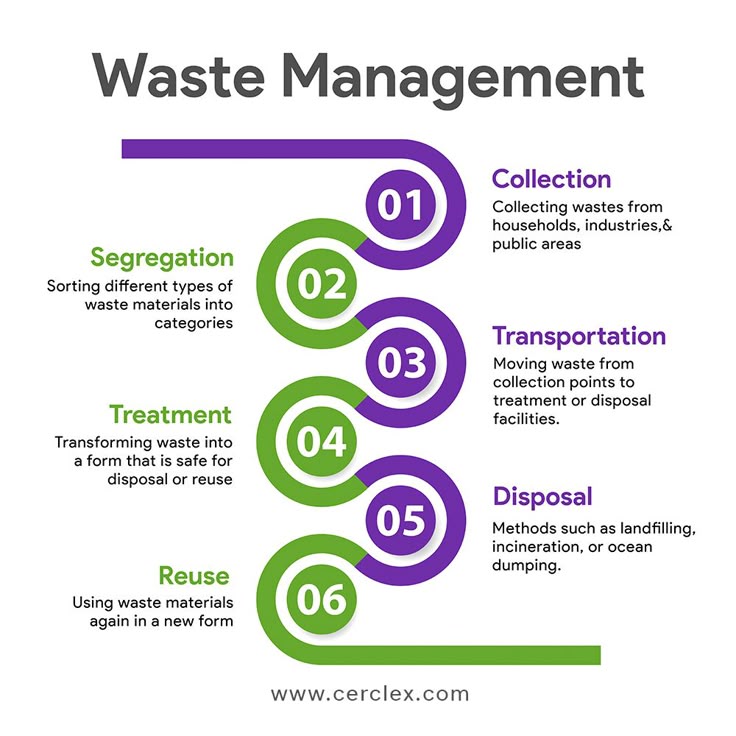
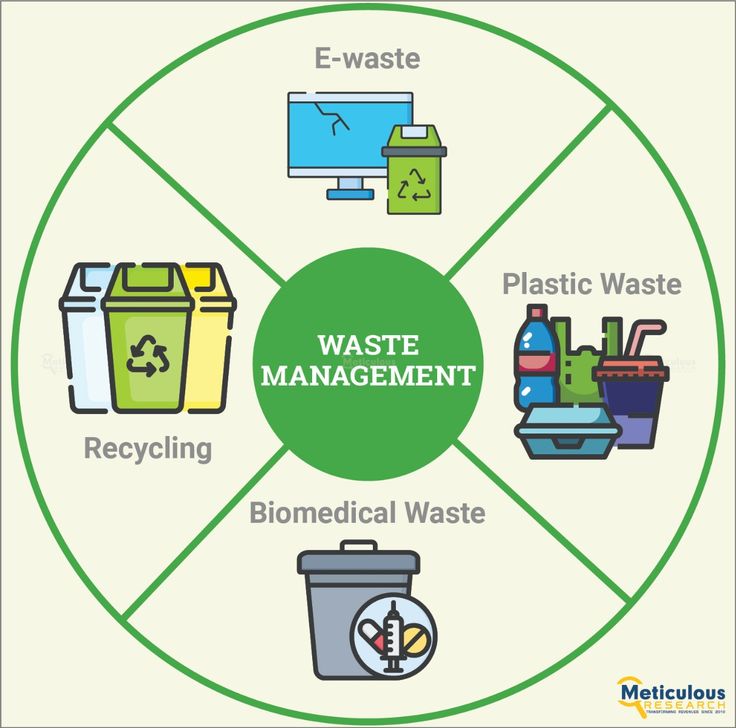
What is waste? It is the by-product of what we eat (in terms of us going to the toilet), and things like left-over food that we have to deal with and sort out. But how?
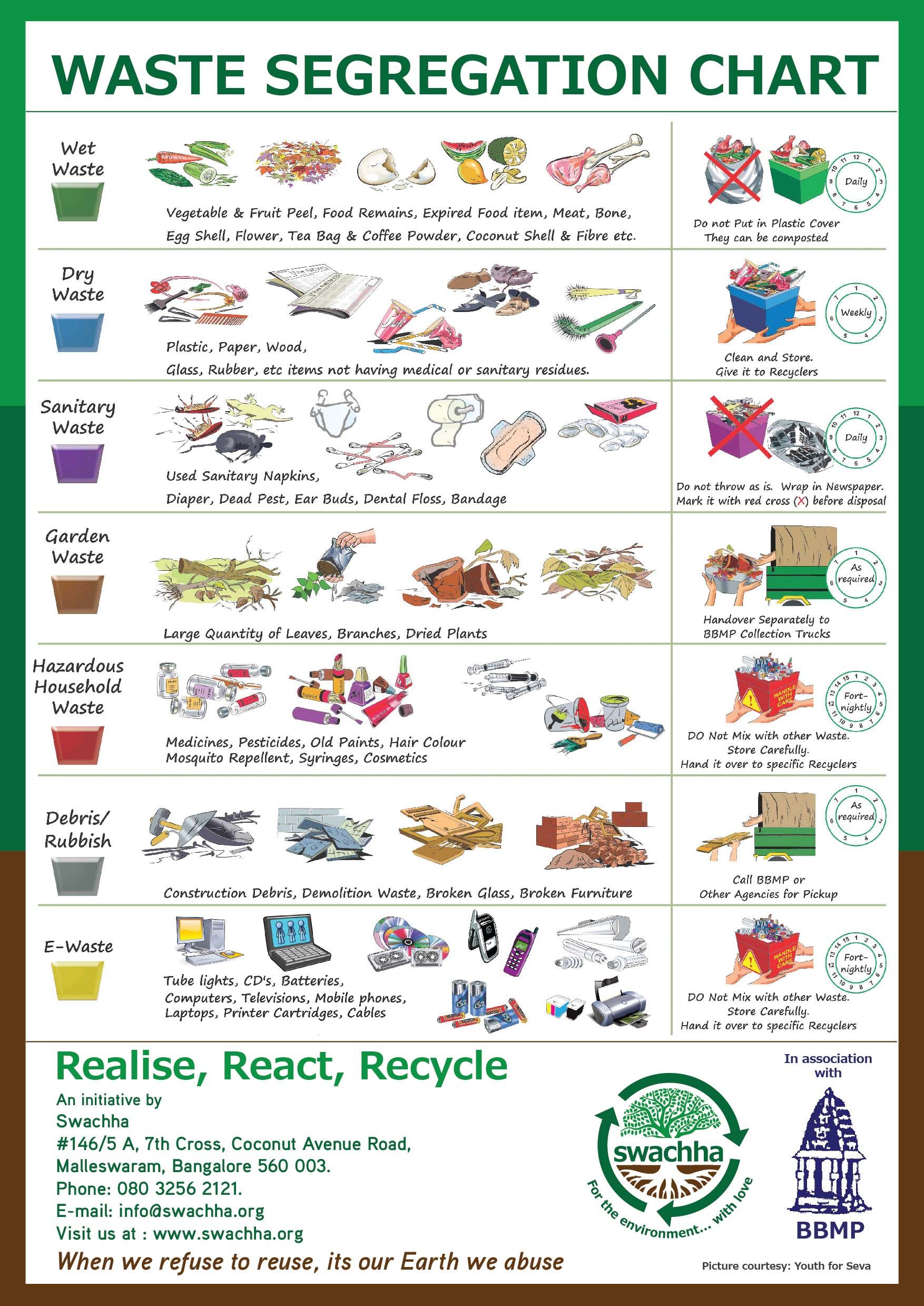
There are many types of waste, including:

The earliest account of recycling rubbish was in 1031 in Japan. They found a way to recycle paper and sell it on as new in shops.
The following still is from a video on waste management, with the following details:
Please click on the image to view the video.

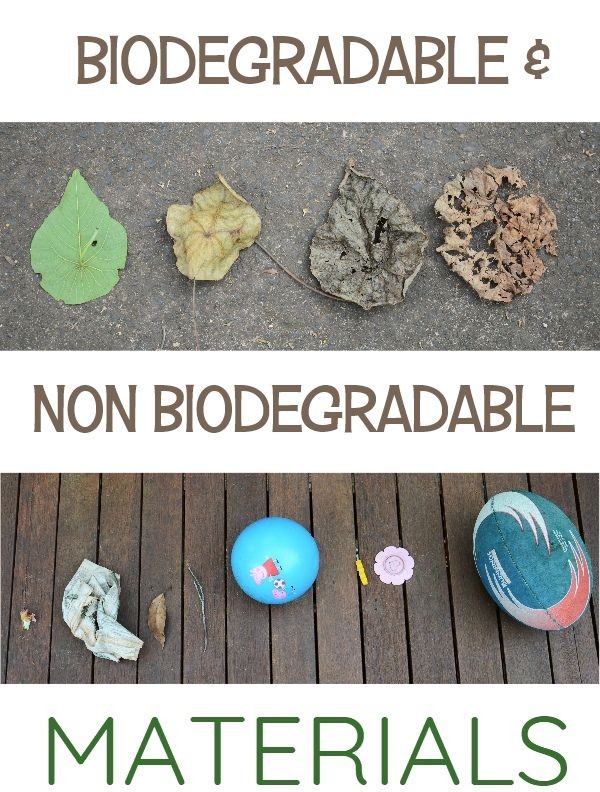
What do these two terms means? Well, biodegradable means that it can be reduced down to organic matter levels naturally. This includes things like our food waste, newspapers and paper in general, vegetable matter. They all undergo a rotting process during a small length of time.
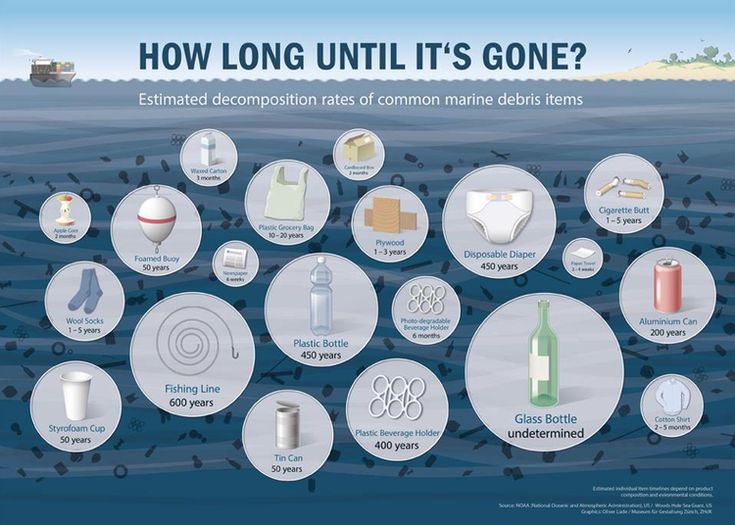
Compare that with non-biodegradable materials. They include things like plastic bottles, glass, aluminium cans (like a Pepsi or Coke can), iron nails and other materials that do not break down naturally.
We have resources that can help there, and they include:
Recycling, plastic, logo, reuse, reduce, biological, non-biological.
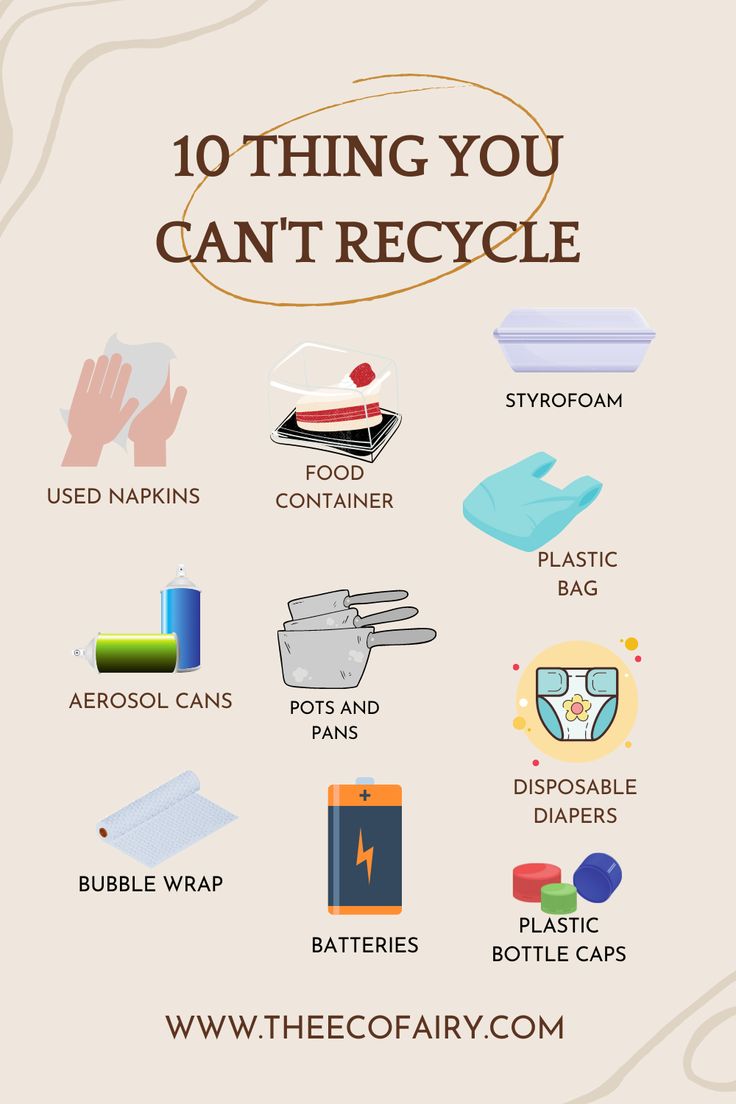
We all make waste. This can be anything from plastic bottles, to tin cans, to things we cannot recycle. But just what is recycling?
In essence, when we use a plastic bottle, for instance, we should be putting it into a recycling cycle with our local council (for me, that is a plastic recycling sack, and it goes to our local binmen). It then goes to a processing plant where it is sorted, and placed into a line where it is reused.
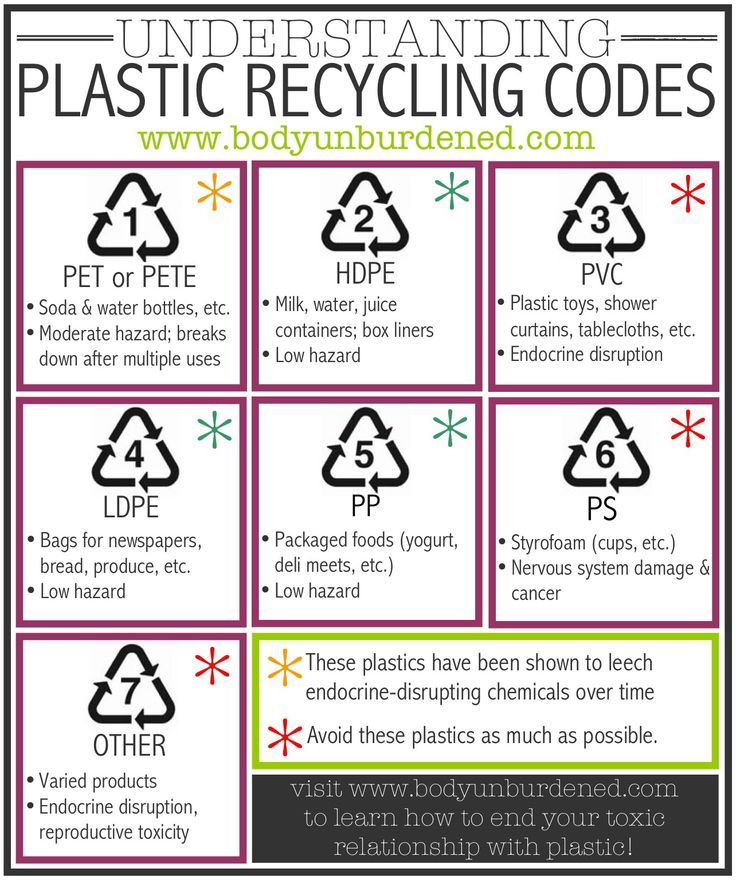
The plastic types are sorted, and then melted down to a liquid, so it can be reshaped. This can then be reused as a plastic bottle again, or for other things. They can make road surfaces out of old CDs, shopping bags, ocean-friendly dog collars made from ocean plastic, or even rugs and mats made entirely from recycled material.
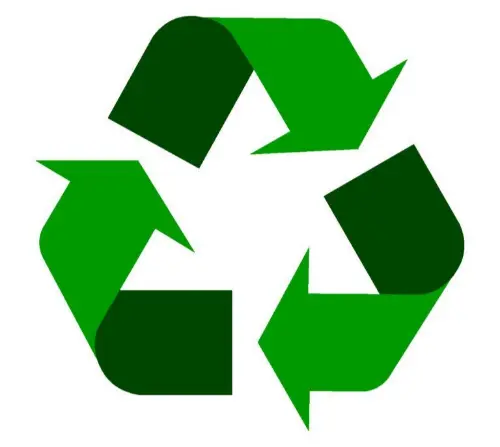
OK, so the main purpose of the recycling logo was to make people aware that they can Reduce, Reuse and Recycle the items that were labelled with it. Although this is still present, the main logo has not changed since its design in 1970 by a 23-year old student. It has had many adaptations through the years, but the principal of the logo remains.
The guy that designed the recycling logo was given $2,000 to make the design, and also made the design out of old arrows and arc from a previous presentation he had lying around, making the logo true to its name.
Recycling is important for many reasons. They include:
Reduces landfill waste: landfill comes at a cost. We generate enough food waste and other waste materials to fill plenty of landfill, but once this has been filled, then what happens? We need more. Recycling reduces this.
Conservation of natural resources: our natural resources include wood from trees, and metals that need mining. If we continue to cut down all the trees for paper or other uses, we will run out. It costs a lot of money to mine for metal, whereas using the metal we already have can reduce this cost, and also help the environment.
It saves energy: making products from recyclable materials saves energy. For an example, it takes 95% less energy and cost to make a new aluminium can from an old one through this process. We don't then have to mine for the aluminium raw material, which is quite a costly process.
It creates jobs: no matter which way you look at it, recycling creates jobs, from the people who collect and sort your recyclables, to the people who process it at the factories, to the people who then reuse it and make new items from the recyclable material that is left.
It can save money: in the example of the aluminium can, it is markedly cheaper to produce from the recycled materials than it is to mine for new aluminium. There is no loss of quality, and manufacturing costs are lower, and the consumer saves money.
The following still is from a video on recycling, with the following details:
Please click on the image to view the video.


