Communicable disease, viral, bacterial, fungal, protist, COVID-19, Herpes, Influenza, Measles, Rabies, Zika, Chlamydia, Gastroenteritis, Listeria, Salmonella, nail infections, Mycetoma, Ringworm, Malaria.
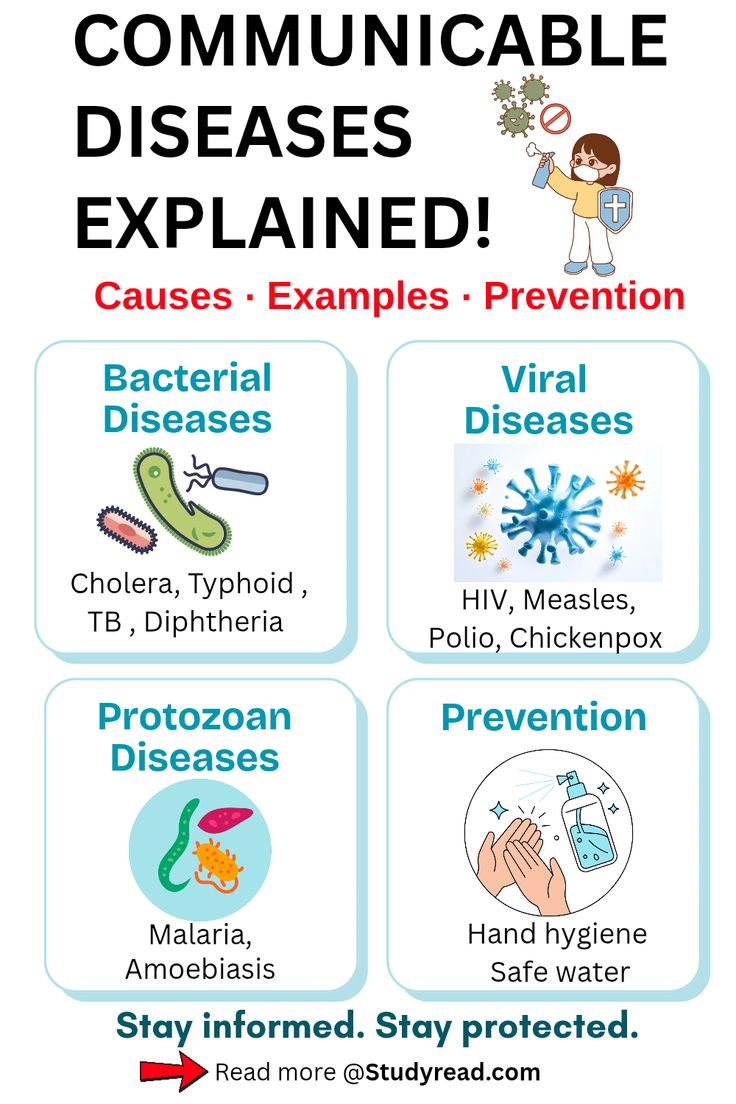
What is a communicable disease? It's a pathogen that can be transmitted from one human to another. There, explained it.
Oh, you want more details? OK then.
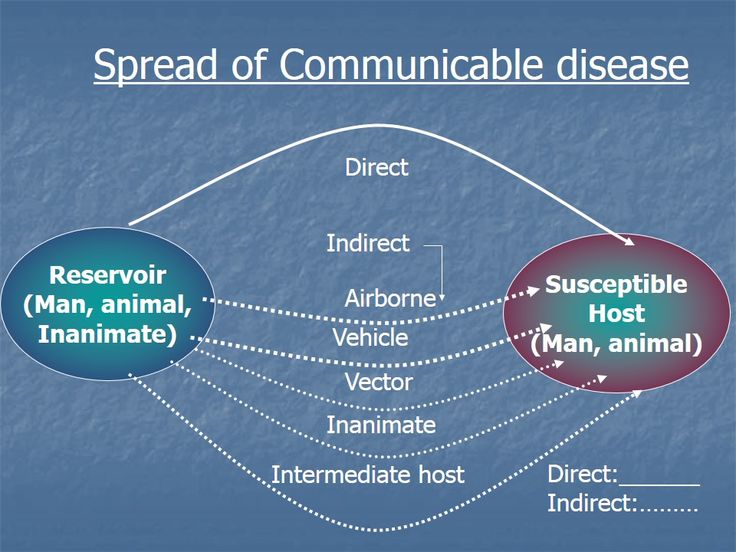
A pathogen has a simple life cycle. It infects a host (usually a human, but this works in the animal world too), replicates itself, and spreads to another host (again, another human or animal) and repeats the process.
Diseases can be lived with, or they can also be fatal. Just look at what has been going on in the world recently with COVID. And just think, the pandemic as we know it, is from the 19th iteration of COVID, so we have already gone through 18 other attempts at the virus.
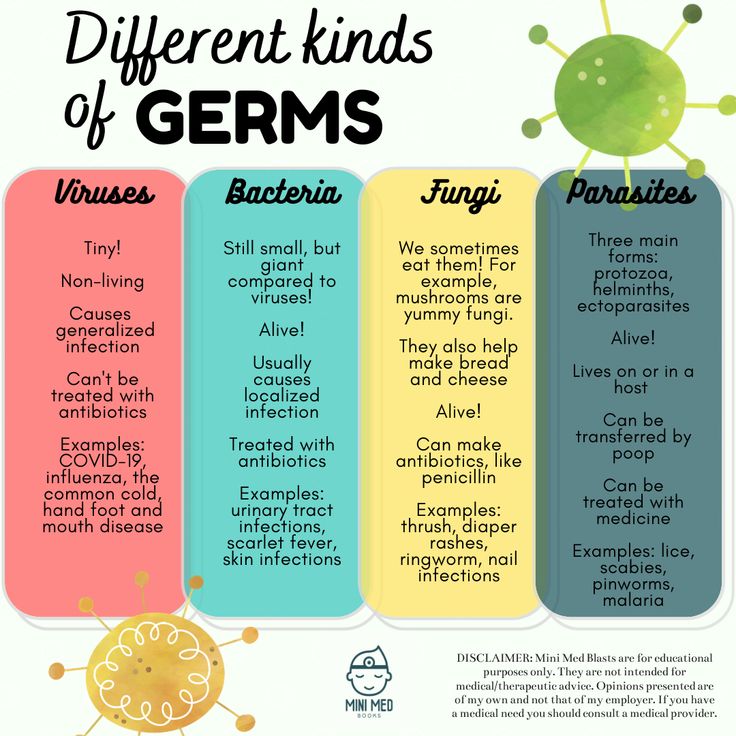
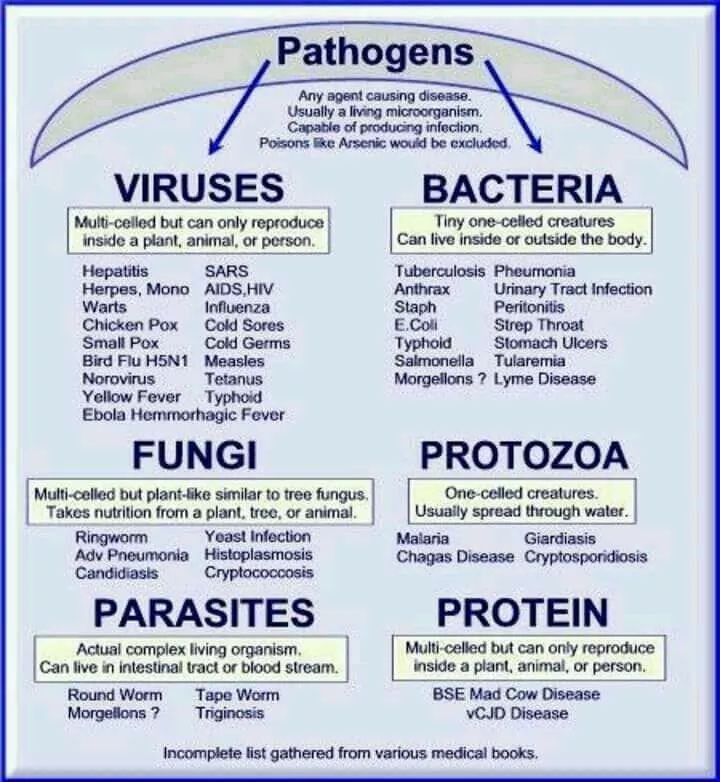
Now, there are four main types of pathogen:
Let's take a closer look:

Some famous bacterial pathogens such as Salmonella and E. Coli are facultative anaerobes, meaning they prefer to 'breathe' oxygen, but can switch to fermentation in its absence.
A viral pathogen is not a living organism. It does not complete the 7 basic needs to be considered alive - movement, respiration, sensitivity, nutrition, excretion, reproduction, and growth. While it does some of these, it isn't considered a living organism.
When a virus leaves a host, it can sit in the air for long periods of time, lying dormant, before infecting another host. Depending on the virus, it can perform reproduction as quick as 12 hours, or over several days.
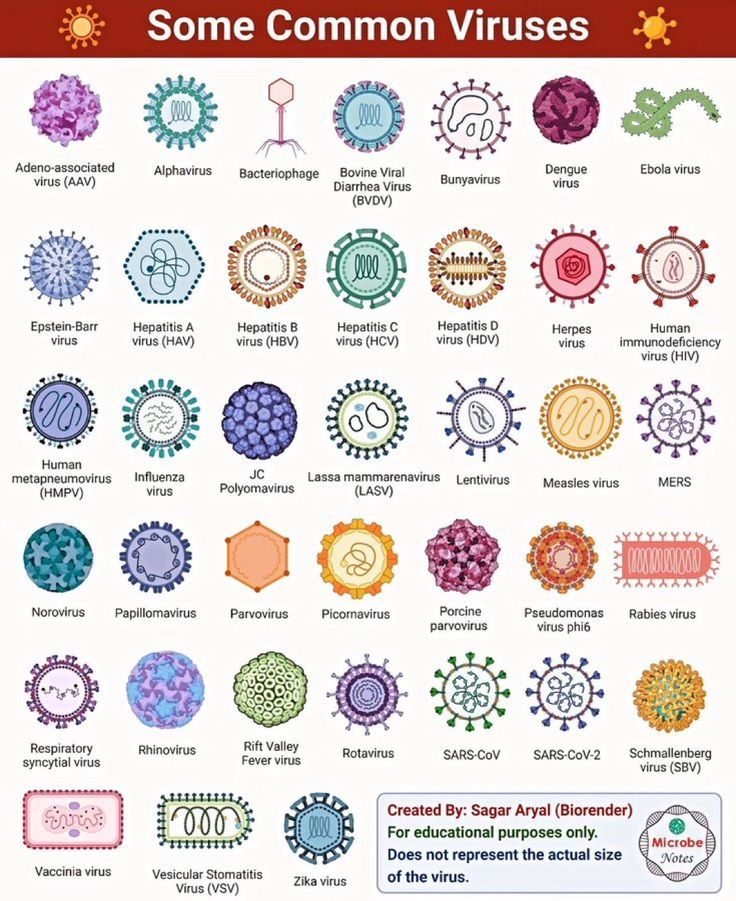
Commonly known viruses include: COVID-19, Herpes, Influenza, Measles, Rabies, and Zika.
Viral pathogens cannot be treated with antibiotics, as they are immune to them. So, if you go to the doctor and they say they can't be prescribed for you, then this will be the reason why.
Now, we know nowadays that not all bacteria are bad for us. Some will do us good, like the ones in your intestines that help to break down your food. But when a bacterium is bad, it can reproduce and spread just like a virus.
Common bacterial diseases include: Chlamydia, Gastroenteritis, Listeria, and Salmonella.
Fungal pathogens are transmitted mostly through touch, rather than through the air, although spores from the fungi can also travel through the air. They are exactly what they are called - a mushroom like pathogen that likes moisture.
Common fungal diseases include: Athlete's foot, Fungal nail infections, Mycetoma, and Ringworm.
Simply put, they are a group of microorganisms that have features like animals, plants and fungi. They consist of eukaryotic cells, so are not like a bacterial pathogen.
The most common protist disease known is Malaria. It is commonplace in countries in South Africa, due to the mosquitos there carrying the disease.
The following still is from a video on communicable diseases, with the following details:
Please click on the image to view the video.

You may think you're being very clean all day long, and that's fine, as you more than likely are. But if you do contract a virus in these manners, it's always best to follow these guidelines:
Test yourself with these exam-style questions. Try not to cheat by opening the anwers first...
Pathogens.
Viruses do not have a cell membrane, cytoplasm, a nucleus, mitochondria or ribosomes.
Transmission, disease, bacterial, gonorrhoea, sexually transmitted, salmonella, contagious, athlete's foot, fungal, symptoms, treatment.
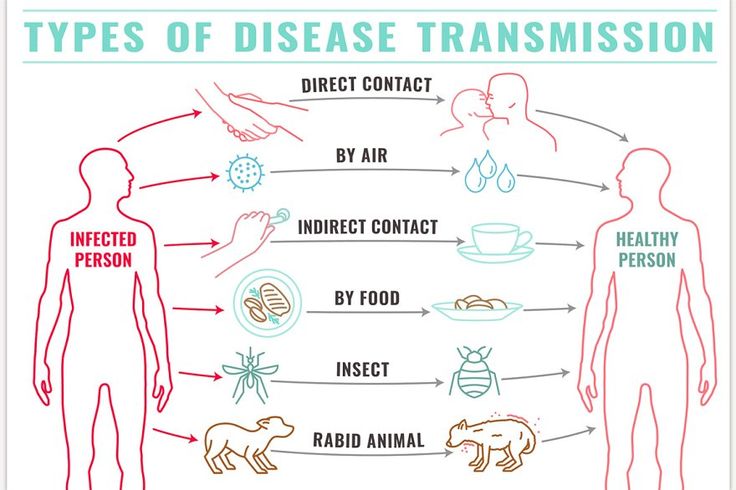
We know that bacteria are sometimes good, and sometimes they are also bad, but let's have a closer look at some that are bad for us.
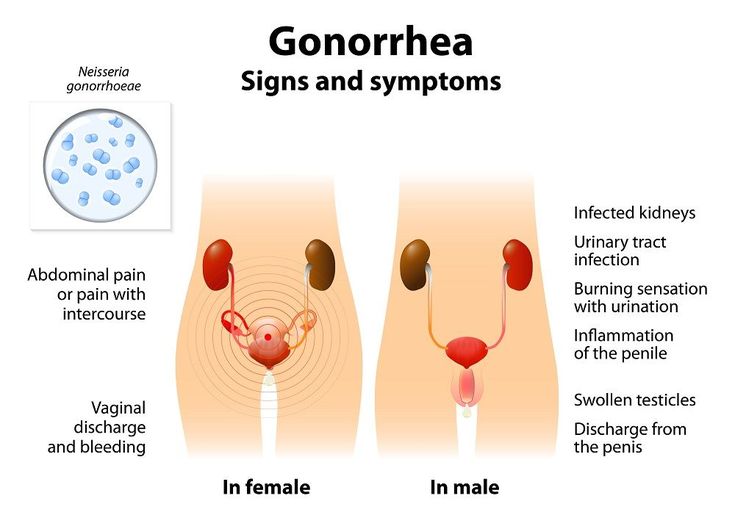
Gonorrhoea is a bacterial disease that is transmitted through sexual intercourse. It is characterised by an inflammatory response of the mucous membrane of the urethra and genital tract. It's caused by a bacterium called gonococcus. It has been around for centuries, having first being known as "the clap", and it common to pick up.
Some symptoms of Gonorrhoea can go unnoticed, but when they present, they include:
There are treatments for Gonorrhoea, including:
While not all of these methods are used at the same, it is patient dependent as to what treatment route is taken.
The following still is from a video on tranmission of diseases, with the following details:
Please click on the image to view the video.

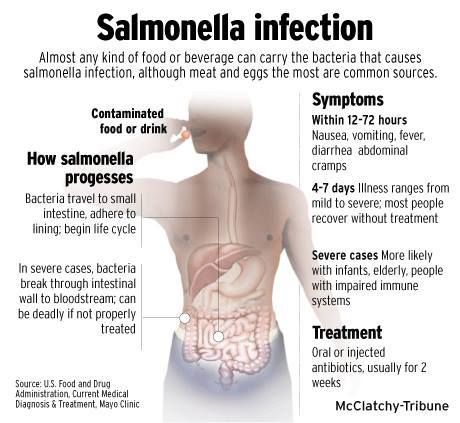
Salmonella is another bacterial disease that you can get from eating foods that haven't been cooked properly. Commonly associated with uncooked chicken, salmonella will go into the gut, and spread through your digestive system, settling in the intestinal tract.
Humans contract it through water and food.
Common foods that can pass on salmonella include:
Along with that, animals can carry faecal bacteria that was present when they were slaughtered. Eggs can also carry the bacterium, and proper handling of eggs is required.
Symptoms of Salmonella include:
For more severe variants of salmonella, symptoms include:
Types of salmonella are also contagious. They can transfer from person to person. Good personal hygiene is a must for those not willing to contract the infection from others who have it at the time. It can be contagious for up to a week.
There is no real treatment for salmonella. While it is contagious, and can spread about a family, if treated with good hygiene from the off, the infection will simply disappear after a few days or a week. If symptoms appear to worsen, you can go to a doctor who can prescribe something for it.
Athlete's foot affects the feet area of your body. It is an external fungal infection, and can cause serious discomfort when walking or exercising.
Symptoms of athlete's foot include:
There are treatments for athlete's foot, including:
Whether you like or not, sometimes we cannot counter having these bad bacteria inside our body. When it does happen, the symptoms can be big or small, and affect us all in different ways. They all have different transmission areas, and affect us all differently.